Where to Stay Near Kibale: A Guide for Independent Trekkers
The best place to stay near Kibale is not necessarily the most luxurious. For independent trekkers, the right base is one that fits your trekking date, arrival plans, and preferred style of stay. When deciding where to stay near Kibale, consider your plans for the trek alongside the comfort and setting you want.
Arrange your chimpanzee trekking permit separately through the Uganda Wildlife Authority, then choose accommodation for the dates that fit your plans. A camp or room booking does not include a permit or a packaged safari itinerary. Little Monkey Camp offers a nature-focused base near Kibale for travelers who want to organize the rest of their visit independently. This guide compares accommodation styles and sets out practical steps for planning your nights, activities, and travel around your trek.
Key Takeaways
- Choose where to stay near Kibale based on your trekking date, travel plans, and preferred lodging style.
- Compare rooms, cottages, and camping according to the comforts and setting you want.
- Plan in order: set your trekking date, arrange your permit, choose your nights, then organize your arrival.
- Plan meals, activities, and departure separately so your independent visit stays flexible.
- Consider Little Monkey Camp as a nature-focused base near Kibale National Park.
Where to stay near Kibale: start with your trekking plan
A long list of accommodation options does not necessarily show which one suits an independent trip. To decide where to stay near Kibale, start with your chimpanzee trekking date, the pace you want for your visit, and whether you prefer a room, cottage, or campsite. These choices help narrow the options before you compare individual stays.
Kibale National Park’s natural setting can also help you decide what kind of visit you want. For a broad overview of the park, see the Kibale National Park Wikipedia page. Then focus your accommodation search on practical details: how you will reach your trek, what you want from your stay, and whether you plan to add other activities.
What should you decide before choosing accommodation?
Set your intended trekking date first, then decide how many nights you want nearby. Staying the night before can give you time to settle in ahead of the activity. An extra night afterward can leave more space to rest before continuing your journey. Next, choose the type of accommodation that suits you: camping, a cottage, or a room. Separate essentials, such as the lodging style you prefer, from optional extras so you can compare stays on what matters most.
Use this checklist to focus your search:
- Location: Consider the journey to your trekking meeting point and how much travel time fits your plans.
- Lodging style: Decide whether you prefer camping, a cottage, or a room.
- Meals: Decide which meals you want arranged at your accommodation and which you will plan separately.
- Activities: List any nature or cultural experiences you would like to add, but keep them separate from your trekking plans.
- Overnight needs: Consider the night before trekking, time to rest afterward, and your departure.
Does staying near Kibale mean a safari package is required?
No. Independent travelers can arrange accommodation, chimpanzee trekking, and transport separately. An accommodation booking covers your stay; it does not automatically include a complete safari package, trekking permit, or park access. Keep each part of your plan clear so you know what you have arranged.
For example, you can book a room or campsite for the nights that suit your plans, arrange trekking separately, and organize your own arrival and departure. Leave time for meals and rest instead of filling every hour with activities. This approach keeps your visit flexible and helps you choose accommodation for your needs, rather than relying on a packaged itinerary.
Compare places to stay near Kibale by comfort, setting, and travel style
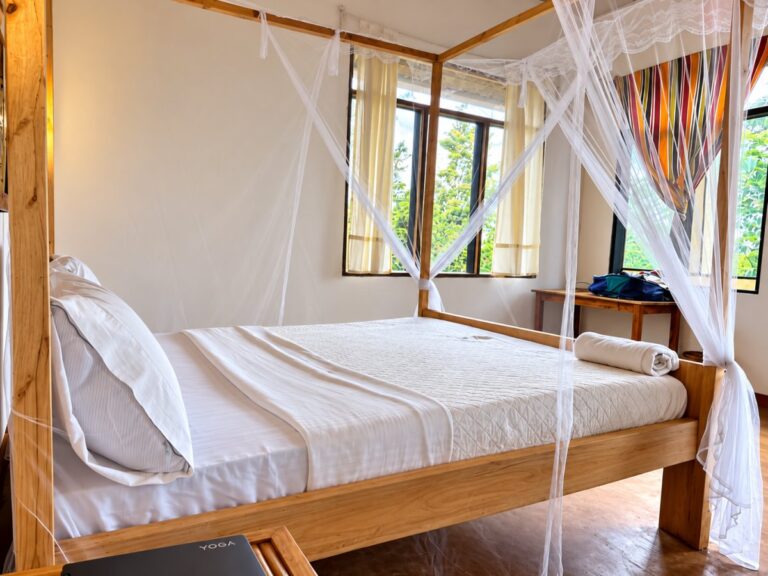
Different accommodation styles offer different ways to spend your time around a visit to Kibale National Park. A lodge-style stay may suit travelers who want an indoor base with a hosted feel. Rooms and cottages provide indoor accommodation, while camping puts more emphasis on the outdoors. The right fit depends on the comforts you value and how you want your time outside the trek to feel.
Is a lodge, cottage, or camp a better fit?
Consider how much simplicity feels comfortable for your trip. Choose an indoor stay if you would rather return to a room after a day outside. Camping may suit you if sleeping outdoors is part of the experience you want. Neither style is automatically more practical. Compare the specific arrangements at each place, since a label such as “lodge,” “cottage,” or “camp” does not tell you exactly what is provided.
| Traveler need | Lodge-style stay | Cottage or room | Camping |
|---|---|---|---|
| Comfort and simplicity | An indoor base that may suit travelers looking for a more hosted stay; specific comforts vary. | An indoor sleeping space, with layout and comforts depending on the accommodation. | A simpler, outdoor-focused option; the setup and comforts depend on the camp. |
| Setting | Useful if you prefer a stay centered on indoor accommodation. | May offer a quieter, more self-contained feel, depending on the property. | Places more emphasis on being outdoors and close to the natural surroundings. |
| Meals and Wi-Fi | Compare what’s available rather than assuming these are included. | Check how meals and connectivity fit your plans. | Find out what the camp provides and what you’ll need to plan separately. |
| Activities | Consider whether guided nature experiences match your interests. | Look at the activities offered alongside your stay. | A natural fit for outdoor-focused travelers who may value guided experiences. |
Use the table to shortlist a style, then compare the details that affect your trip. If you want an indoor place to rest, prioritize room arrangements and meal options. If you prefer outdoor living, focus on the camp setting and what the camping setup involves. Treat activities as a separate consideration, not an automatic feature of a particular accommodation type.
What comforts and activities matter for an independent stay?
Make a short list of essentials before comparing options. Meal arrangements can matter if you want to simplify your day, while Wi-Fi may be useful for staying in touch or handling practical plans. Guided nature experiences can add another way to explore. African River Camps offers nature-focused accommodation and guided experiences, including birdwatching, fishing, and nature walks across its camps. Offerings vary by camp, so compare the activities for the location you plan to visit rather than assuming every experience is available at every stay.
If a nature-focused stay suits your plans, explore nature stays near Kibale as an option for an independent visit. Choose the accommodation style and activities that fit your schedule and preferred pace.
How to plan a Kibale stay around chimpanzee trekking
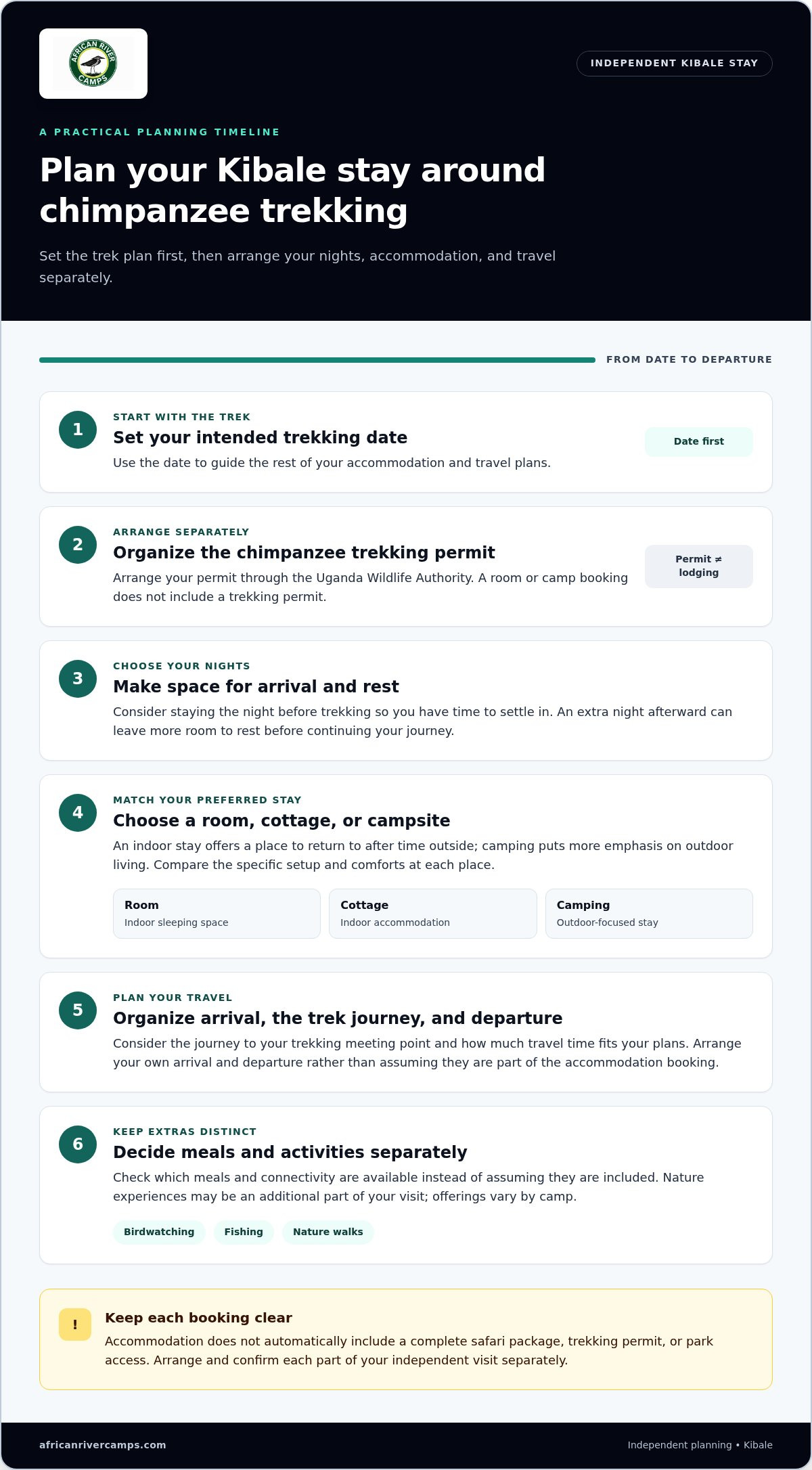
For an independent visit, arrange your stay around your trekking plans rather than assuming accommodation will organize every part of the trip. First, set your intended activity date and arrange the permit. Then choose the nights that allow a manageable arrival and departure. This order helps you decide where to stay near Kibale without assuming a room booking includes park access.
- Set your trekking date. Build your plan around the date you intend to trek, allowing flexibility in the wider travel schedule.
- Arrange the permit separately. Follow the current Uganda Wildlife Authority instructions for permit procedures and trekking requirements.
- Choose your nights. Decide whether to arrive the day before, stay after the activity, or allow time for both, based on your route and preferred pace.
- Plan your arrival and departure. Arrange transport separately and avoid scheduling a tight onward journey around the trekking day.
How should you coordinate your stay with a trekking date?
Use your activity plans to set your accommodation dates, then consider how you want the days before and after trekking to feel. Arriving with time to settle in can make the visit less rushed. Staying overnight afterward can leave room to rest before continuing your journey. There is no single number of nights that suits everyone; choose what fits your route, pace, and plans.
Compare your lodging dates with your arrival and departure arrangements. If your route involves a long journey or connections that may affect your schedule, leave yourself a margin rather than planning a tight turnaround. A flexible schedule is useful if travel plans shift, and does not require you to turn the visit into a fixed itinerary.
What should you arrange separately from your accommodation?
A room or campsite reserves a place to stay. It does not arrange your chimpanzee trekking permit, transport, or park access. Keep those plans separate when you make bookings, and use current official guidance for rules, permit steps, and trekking requirements rather than relying on old travel notes.
A lodging reservation is not a chimpanzee trekking permit. The Uganda Wildlife Authority is the official source for permit procedures and park guidance. Review its current visitor information as you plan, and check the latest instructions before finalizing activity details because procedures can change. Then match your accommodation dates to your arrangements, keeping your arrival and departure plans realistic.
Plan an independent stay near Kibale with fewer surprises
A little preparation can make an independent visit to Kibale National Park feel calm without turning it into a fixed itinerary. Keep a simple note of what is arranged, what still needs attention, and what you would like to leave open. This makes it easier to coordinate accommodation with trekking while keeping room for rest or a change of plans.
What should you check in your travel plan?
Review the trip as a whole, not just your accommodation booking. Match your stay dates with your trekking arrangements and wider travel plans, then consider how meals, activities, and onward travel fit around them. Use this checklist to catch practical details before you set off:
- Arrival: Note when you expect to reach your accommodation and leave time to settle in.
- Nights: Match your booking to your planned activities and travel route instead of assuming a standard length of stay.
- Meals: Plan how you will manage meals, including vegetarian options where offered.
- Activities: Choose experiences that interest you, remembering that locally guided nature and cultural activities vary by camp and location.
- Departure: Set a realistic onward plan that does not depend on fitting travel into a tightly timed day.
Keep confirmed arrangements separate from ideas you are still considering. For example, note your accommodation and trekking plans as booked items, and list a nature walk or cultural experience as optional until it fits your time and location. This prevents a possible activity from becoming an assumption in your schedule.
How can you keep the visit relaxed and flexible?
Leave breathing room around the plans that matter most. Instead of filling every day with activities, choose a few priorities and keep the rest of your time open for meals, rest, or enjoying the surroundings. Optional activities are easier to move or skip than a tightly packed itinerary if your schedule changes.
Plan transport as a separate part of the trip. An accommodation booking does not automatically provide private transfers or create a bundled safari, so make your arrival, local travel, and departure arrangements clear. This gives you a realistic picture of each day and avoids relying on services that are not part of your lodging reservation.
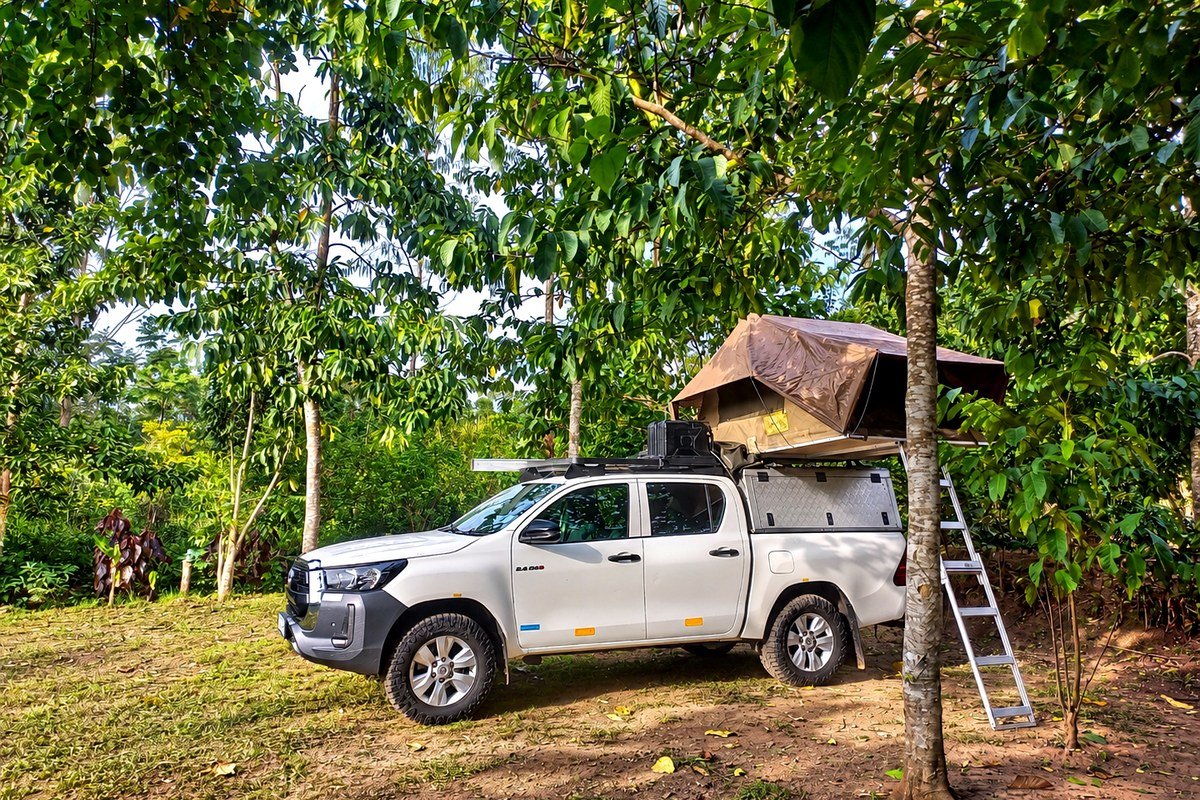
Little Monkey Camp offers affordable, nature-focused accommodation near Kibale National Park, approximately 5–7 minutes by vehicle from Kanyanchu Visitor Centre. Guests can enjoy comfortable accommodation, ground and rooftop tent camping, fresh vegetarian meals and vegan options on request. The camp is a convenient base for chimpanzee trekking, birdwatching and exploring Bigodi Wetland Sanctuary. Our team can also assist with chimpanzee trekking permit arrangements, subject to availability.
Explore Little Monkey Camp Accommodation
Guided experiences can add local insight to a stay, but the options depend on the camp and location. Choose activities that match your interests and available time, whether you are drawn to nature or local culture. African River Camps offers stays and guided experiences in Uganda for independent travelers looking for a nature-focused base. Explore African River Camps for a Kibale-area stay and plan the rest of your visit at your own pace.
Stay near Kibale at Little Monkey Camp
Little Monkey Camp is an African River Camps stay near Kibale National Park, offering a nature-focused base for independent travelers. Arrange your accommodation around your trekking plans, then organize permits, transport, and any additional activities separately. A stay here does not require you to follow a fixed safari itinerary.
For travelers deciding where to stay near Kibale, a camp setting may appeal if you value an outdoor-focused place to return to. Rather than choosing by a luxury label alone, think about the rhythm you want: time for trekking, space to rest, and the freedom to decide whether another experience fits your plans.
Planning your Kibale Forest adventure? Explore Little Monkey Camp accommodation and contact our team to check availability for your preferred travel dates.
Who may enjoy a nature-camp base near Kibale?
A nature-camp base can suit visitors who prefer a relaxed, outdoor-focused stay to a trip built around a full itinerary. It gives you a place to anchor independently arranged trekking and other plans, while leaving room to spend time at your own pace. The right fit depends on the accommodation you want and how you prefer to balance activity with rest.
African River Camps offers guided nature experiences and other activities across its camps, with options varying by location. Keep that in mind as you plan: choose experiences that match your interests and visit, without assuming every activity is offered at Little Monkey Camp. You can leave your days open and add activities where they fit.
What is the next step for planning a stay?
Start with your intended dates and trekking arrangements. Then consider how many nights fit your wider travel plans and whether you want time before or after trekking to settle in or rest. This gives you a straightforward way to choose a stay without treating accommodation as a permit, transfer, or packaged safari.
Make a short note of what matters most: your dates, preferred accommodation style, meal needs, and any optional experiences you would like to consider. Keep it practical. You do not need to schedule every moment for a well-planned visit, and open time can make the stay more restful.
If a nature-focused base suits your independent trip, explore African River Camps accommodation and consider Little Monkey Camp for your Kibale visit. Choose dates that work with your trekking plans, then shape the rest of your stay around the pace and experiences you want.
Shape your Kibale visit around the experience you want
Your accommodation can help set the pace of your time in Uganda. Think about how you want the days around your trek to feel: unhurried, open to spontaneous moments, or shaped by a few planned experiences. Once you have a sense of that, choosing where to stay near Kibale becomes less about finding a universally “best” option and more about finding a base that suits your plans.
Leave room to enjoy the journey as well as the trek. A comfortable rhythm, with time to pause and take in your surroundings, can make an independent visit feel more rewarding than a tightly packed schedule. Let your dates and travel style guide the details, and keep your priorities at the center.
Ready to plan a nature-focused stay for your visit? Explore stays with African River Camps and choose a base that suits your plans. Thoughtful preparation can leave you free to enjoy Kibale at your own pace.
Frequently Asked Questions
Can you stay near Kibale without booking a safari package?
Yes. You can arrange accommodation and plan the rest of your visit independently, including trekking arrangements and travel. For example, book a campsite or room, organize your trekking permit separately, and decide whether to add another nature activity. Keep track of what each booking covers so you do not mistake a place to sleep for a complete itinerary or transport arrangement.
Does accommodation near Kibale include a chimpanzee trekking permit?
Do not assume it does. A room or campsite booking and a chimpanzee trekking permit are separate arrangements, so make sure you have a permit for the correct date before you travel. Consult current Uganda Wildlife Authority guidance for permit procedures and trekking requirements. Keep your permit details with your accommodation information, especially when coordinating separate bookings.
How many nights should you stay near Kibale for chimpanzee trekking?
There is no fixed number of nights that suits every traveler. One nearby night may work if your arrival plans leave you rested and ready for the activity, while extra time can provide a buffer or space for another experience. Consider how you will reach your accommodation and what you plan to do afterward. Choose dates that do not leave you rushing to meet a tight onward travel plan.
Is camping an option for an independent Kibale visit?
Yes. Camping can suit an independent visit if you enjoy an outdoor-focused stay. African River Camps offers camping, including rooftop tents, with arrangements that vary by camp. Think through your sleeping and meal arrangements and how you will get ready for planned activities, then choose a camping option that fits your comfort level and travel style.
What should you look for in accommodation near Kibale?
Start with the details that affect your routine: accommodation type, meal options, connectivity needs, and how the location fits your plans. Cottages, rooms, and camping offer different styles of stay. Vegetarian meals and Wi-Fi are available at some camps, and amenities vary by location. Make a short list of essentials, then compare stays against it rather than relying on broad labels such as “lodge” or “camp.”
Can you combine chimpanzee trekking with other nature activities near Kibale?
Yes. You can plan other nature experiences around trekking, depending on your interests, schedule, and chosen camp. African River Camps offers guided activities across its camps, including birdwatching, nature walks, forest night walks, and local cultural experiences. Options vary by location, so plan around the activities offered at your chosen camp and leave enough time to enjoy them without overloading your visit.