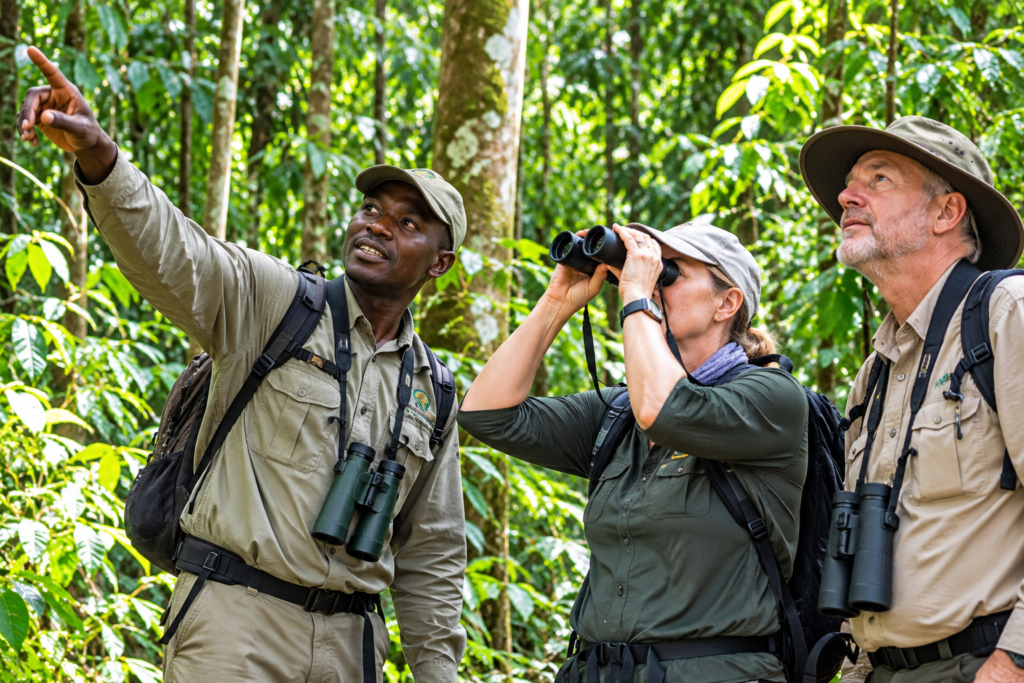
Birding in Semliki gives birdwatchers the chance to explore one of Uganda’s most distinctive birding destinations. Semliki National Park protects lowland forest, riverine habitat and wetlands that attract an impressive variety of birds, making the area especially rewarding for travellers who want to add specialist birdwatching to a Uganda safari.
Explore forest trails with an experienced guide while listening for calls and searching the canopy, undergrowth and forest edges. Keen photographers can also spend time watching birds around quieter habitats before continuing to nearby wildlife and nature attractions.
A stay near Semliki makes early birding starts much easier. Semliki Fishing River Camp provides a convenient base for travellers who want to combine birdwatching with fishing, nature experiences and exploration around the Semliki and Lake Albert area.
Planning a wider Uganda birding safari? Read our guide to Birding in Uganda and combine Semliki with Birding in Kibale for two very different forest birding experiences.
Where to Go Birdwatching
Birding in Semliki takes visitors through lowland tropical forest, wetlands, riverine vegetation and forest-edge habitats. This variety makes the destination particularly attractive to birdwatchers who want something different from Uganda’s higher-altitude forests.
Semliki National Park provides the main focus for forest birding. Guided walks allow visitors to search different habitats while learning how the forest, rivers and surrounding landscapes support birdlife.
Travellers can also combine their birding experience with the Semliki National Park accommodation options around the area. Staying nearby gives serious birders more time for early-morning walks, when bird activity can be particularly rewarding.
For a longer Uganda birding itinerary, combine Semliki with Birding in Kibale before continuing to other major birding destinations.
Birds to Look for in Semliki
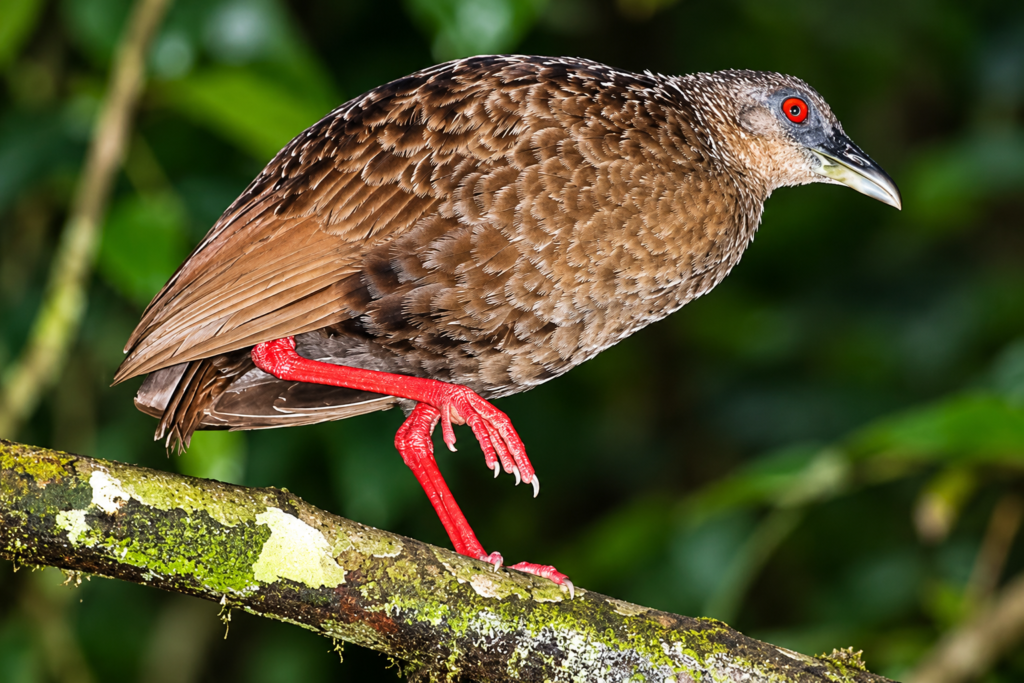
Semliki attracts birdwatchers because its lowland forest supports a distinctive mix of species. The park forms part of the Albertine Rift landscape while also showing strong Central African forest influence.
Birders can search for hornbills, kingfishers, bee-eaters, forest robins, flycatchers, sunbirds and many other forest and wetland species. Different trails and habitats produce different sightings, so spending more than one birding session in the area can improve the experience.
Photography enthusiasts should bring suitable equipment for both forest and open habitats. Forest light can change quickly, while riverbanks and clearings may provide better opportunities for photographing birds at a distance.
Travellers planning a broader birdwatching holiday can explore our Birding in Uganda guide for ideas on combining Semliki with other destinations.
Birdwatchers can also explore other Things to Do in Semliki, including Sempaya Hot Springs, forest walks, fishing and nature experiences around the national park.
Guided Birding in Semliki

A knowledgeable local birding guide can make a major difference in Semliki. Guides recognise calls, understand seasonal movements and know the habitats where particular birds frequently occur.
Early starts often provide excellent opportunities because the forest becomes active soon after sunrise. Your guide can adjust the route according to your interests, available time and target species.
Serious birders may prefer several guided sessions rather than a single short walk. Extra time allows you to explore different habitats instead of rushing through one section of the forest.
Guests staying near the area can use Semliki Fishing River Camp as a base while exploring Semliki, subject to current accommodation availability.
Best Time for Birding in Semliki
Visitors can enjoy Birding in Semliki throughout the year, although weather conditions can influence trails, visibility and daily bird activity.
Drier periods generally make forest walks and road travel easier. However, wetter months can bring lush vegetation and active forest conditions, so keen birders should not automatically dismiss the rainy seasons.
Your target species also matter when choosing travel dates. Instead of selecting a month based only on weather, plan your trip around the birds and other activities you want to experience.
If chimpanzee tracking forms part of your itinerary, our Best Time for Chimpanzee Tracking guide can help you coordinate the Kibale section of your journey.
Combine Birding in Semliki with Kibale
Semliki and Kibale work particularly well together because the two destinations offer different forest environments within a manageable western Uganda itinerary.
Start with Birding in Kibale and explore its forest birdlife alongside chimpanzee experiences. Afterwards, continue toward Semliki for lowland forest birding and a noticeably different landscape.
Travellers interested in primates can also read our Chimpanzee Tracking in Kibale National Park guide. Combining chimpanzees and birding creates a varied nature-focused itinerary rather than limiting the trip to one activity.
Where to Stay for Birding in Semliki
Choosing accommodation near your birding area helps you start earlier and reduces unnecessary driving. That matters when you want to reach the forest during productive morning birding hours.
African River Camps operates Semliki Fishing River Camp in the Semliki/Ntoroko area. The camp connects naturally with birding, fishing and nature-based travel around Semliki and Lake Albert.
Check our Semliki National Park Accommodation page for more information about staying near the park and planning activities in the area.
For a multi-destination trip, you can also stay at Little Monkey Camp near Kibale. Our Kibale Forest Accommodation guide explains accommodation and activities around the Kibale area.
Combine Birdwatching with Fishing and Nature

A Semliki trip does not need to focus exclusively on birds. Travellers can combine birdwatching with fishing, scenic drives, nature experiences and exploration around Lake Albert and the wider Semliki area.
Fishing enthusiasts can arrange the fishing portion of their journey through Peter’s Fishing Tours while using African River Camps for accommodation planning. This combination works particularly well for couples or small groups whose members have different interests.
Nature-focused travellers can also extend their route through Kibale and Bugoma Forest. Our network of camps makes it easier to connect several western Uganda destinations within one itinerary.
Why Choose African River Camps?
African River Camps focuses on travellers who want practical accommodation close to Uganda’s forests, wildlife areas and outdoor experiences.
Rather than simply booking a bed, guests can ask us for help coordinating accommodation with birding and other local activities. We can also help you structure a route that connects Semliki with Kibale and our other camp locations.
Self-drive and overland travellers can explore our Camping in Uganda page for information about camping and rooftop-tent options across the African River Camps network.
Book Birding in Semliki
Ready to plan Birding in Semliki?
Tell us your travel dates, number of guests, accommodation preference and birding interests. We can check the current accommodation situation and help you plan your stay around Semliki.
You can also tell us whether you want to combine Semliki with Kibale birding, chimpanzee tracking, fishing or camping. This information helps us recommend a practical itinerary for your trip.