
Ishasha Tree-Climbing Lions – Queen Elizabeth National Park

The Ishasha tree-climbing lions are one of the most fascinating wildlife attractions in Queen Elizabeth National Park. Located in the southern Ishasha sector, these lions are famous for resting in large trees, creating a memorable sight for travellers exploring Uganda.
A safari through Ishasha also offers opportunities to see other wildlife across its open savannah and woodland landscapes. Moreover, the sector fits naturally into itineraries connecting Queen Elizabeth National Park with Bwindi and other destinations in southwestern Uganda.
For a wider park itinerary, explore our Queen Elizabeth National Park Safari guide.
Discover the Ishasha Tree-Climbing Lions
Ishasha is particularly well known for lions that sometimes climb and rest in trees.
Seeing a lion stretched across a branch can become a highlight of a Uganda safari. However, these are wild animals, and sightings or tree-climbing behaviour can never be guaranteed.
A knowledgeable safari guide can help search suitable areas while respecting park regulations and wildlife.
Why Do Ishasha Tree-Climbing Lions Climb Trees?
Several explanations have been suggested for tree-climbing behaviour. Lions may use elevated positions for comfort, shade, visibility or relief from insects.
However, travellers should avoid treating any single explanation as definitive.
What makes Ishasha special is the opportunity to observe this unusual behaviour in a beautiful natural setting.
Wildlife around Ishasha Tree-Climbing Lions
Ishasha offers much more than lions.
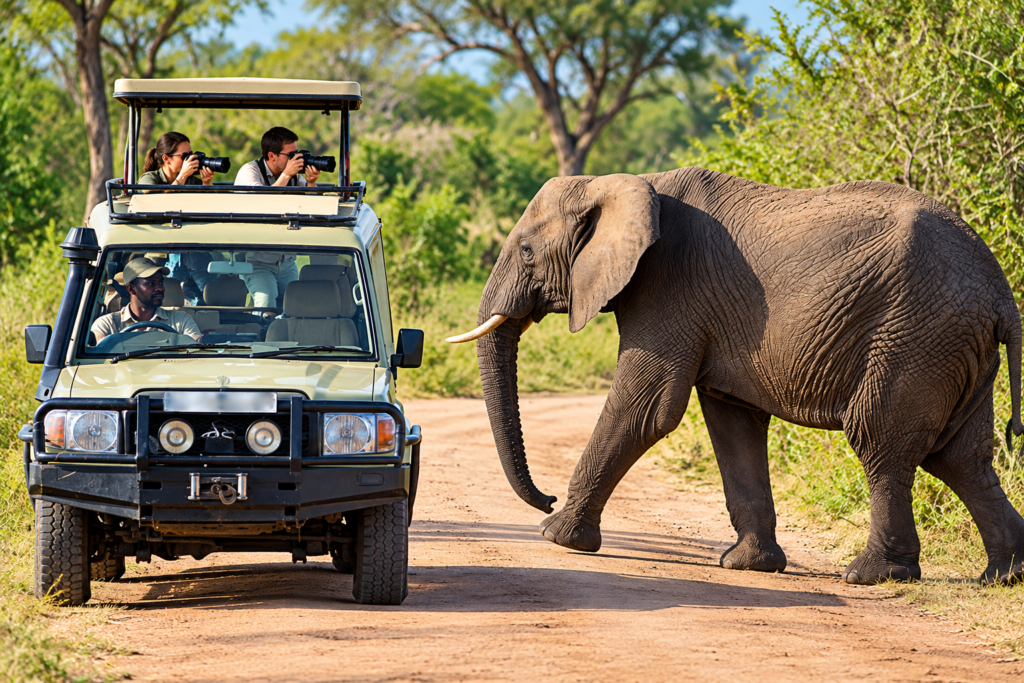
Visitors may encounter elephants, buffaloes, antelopes and other wildlife while travelling through the sector. In addition, the mixture of savannah, woodland and riverine habitats creates rewarding opportunities for nature viewing.
Wildlife movements vary throughout the year, so every game drive can be different.
Game Drives to See Ishasha Tree Climbing Lions

A game drive is the main way to explore the Ishasha sector.
Travellers can search for lions while enjoying the wider landscape and other wildlife. Meanwhile, an experienced local guide can help interpret animal behaviour and identify areas where wildlife may be active.
Allow enough time for the drive rather than treating Ishasha only as a quick transit stop.
Photographing Ishasha Tree-Climbing Lions
Tree-climbing lions can provide remarkable photography opportunities when they are visible.
Bring a camera with suitable zoom capability because animals should always be photographed from a safe and responsible distance. Furthermore, follow your guide’s instructions and avoid disturbing wildlife for a photograph.
Morning and afternoon light can create different photographic conditions.
Best Time to See Ishasha Tree-Climbing Lions
Ishasha can be visited throughout the year, although weather and road conditions vary between seasons.
Wildlife remains free to move through the ecosystem. Therefore, there is no particular date or time that can guarantee tree-climbing lion sightings.
Travellers should plan enough time in the sector and treat every sighting as a natural wildlife encounter.
Ishasha Tree-Climbing Lions and Queen Elizabeth National Park
Ishasha forms part of the wider Queen Elizabeth National Park safari experience.
Travellers can combine the sector with game drives elsewhere in the park and a Kazinga Channel Boat Safari for hippos, birdlife and shoreline wildlife.
This combination provides both savannah and water-based wildlife experiences.
Combine Ishasha with Kazinga Channel
A multi-day Queen Elizabeth itinerary allows visitors to experience different habitats.
Start with game drives and a boat safari around the Kazinga Channel area before travelling towards Ishasha. Alternatively, travellers arriving from the south can explore Ishasha first and continue north through the park.
Allow sufficient driving time between activities when planning the itinerary.
Combine Ishasha with Kibale Forest
Queen Elizabeth National Park combines naturally with Kibale for travellers interested in both wildlife and primates.
After exploring Ishasha and the wider park, visitors can continue towards Kibale for chimpanzee experiences, birding and forest activities.
Travellers looking for accommodation near Kibale can stay at Little Monkey Camp.
Combine Ishasha with Bwindi
Ishasha is often incorporated into safari routes connecting Queen Elizabeth National Park with the Bwindi area.
This makes it possible to combine savannah wildlife with gorilla trekking on a wider Uganda itinerary. However, journey times and road conditions can vary, so travellers should plan their transfer carefully.
Birding in Ishasha
Birdwatchers can also enjoy the Ishasha landscape while searching for wildlife.
Different habitats support a variety of birds, adding another dimension to game drives. For this reason, carrying binoculars is worthwhile even when lions are the main objective.
For a broader birding itinerary, explore our Birding in Uganda guide.
Private Safari Guiding in Ishasha
A private guide can make an Ishasha visit more focused and flexible.
Experienced local guiding can help with wildlife searching, bird identification and photography while providing knowledge about the wider Queen Elizabeth ecosystem.
African River Camps can help connect travellers with experienced local guiding for Ishasha and other parts of Queen Elizabeth National Park, subject to availability.
Self-Drive Safari in Ishasha
Self-drive travellers can include Ishasha in a wider Uganda road trip.
Before travelling, check current park access, road conditions and entry requirements. Additionally, allow enough fuel and travel time, particularly when continuing towards other destinations.
See our Car Hire in Uganda guide when planning a self-drive journey.
How Many Days for an Ishasha Tree-Climbing Lions Safari?
Ishasha can form part of a wider Queen Elizabeth itinerary rather than requiring an entire safari on its own.
Travellers particularly interested in lions, birding or photography may benefit from allowing additional time. As a result, they have more opportunities to explore without rushing through the sector.
Frequently Asked Questions
Where are the Ishasha tree-climbing lions?
They are associated with the Ishasha sector in the southern part of Queen Elizabeth National Park in Uganda.
Are tree-climbing lions guaranteed in Ishasha?
No. Lions are wild animals, and neither sightings nor tree-climbing behaviour can be guaranteed.
Why are the Ishasha lions famous?
They are well known for sometimes resting in trees, making Ishasha one of Uganda’s distinctive wildlife safari destinations.
Can I photograph the lions?
Yes, when sightings occur. Visitors should maintain a responsible distance and follow their guide’s instructions.
Can I visit Ishasha on a self-drive safari?
Self-drive travel is possible, but visitors should check current park regulations, access conditions and road information before travelling.
Can I combine Ishasha with Kazinga Channel?
Yes. Combining Ishasha with a Kazinga Channel Boat Safari creates a varied Queen Elizabeth National Park itinerary.
Can I combine Ishasha with gorilla trekking?
Yes. Ishasha can fit into itineraries continuing towards the Bwindi area for gorilla trekking.
Do I need a safari guide?
A guide can significantly improve wildlife interpretation, navigation and the overall safari experience, although arrangements depend on your itinerary.
Plan Your Ishasha Tree-Climbing Lions Safari
Planning to search for the Ishasha tree-climbing lions? Contact African River Camps with your travel dates, number of guests and wider Uganda itinerary.
We can help connect your Queen Elizabeth visit with local guiding, the Kazinga Channel, Kibale and other destinations.