African Golden Cat Tracking in Kibale Forest, Uganda
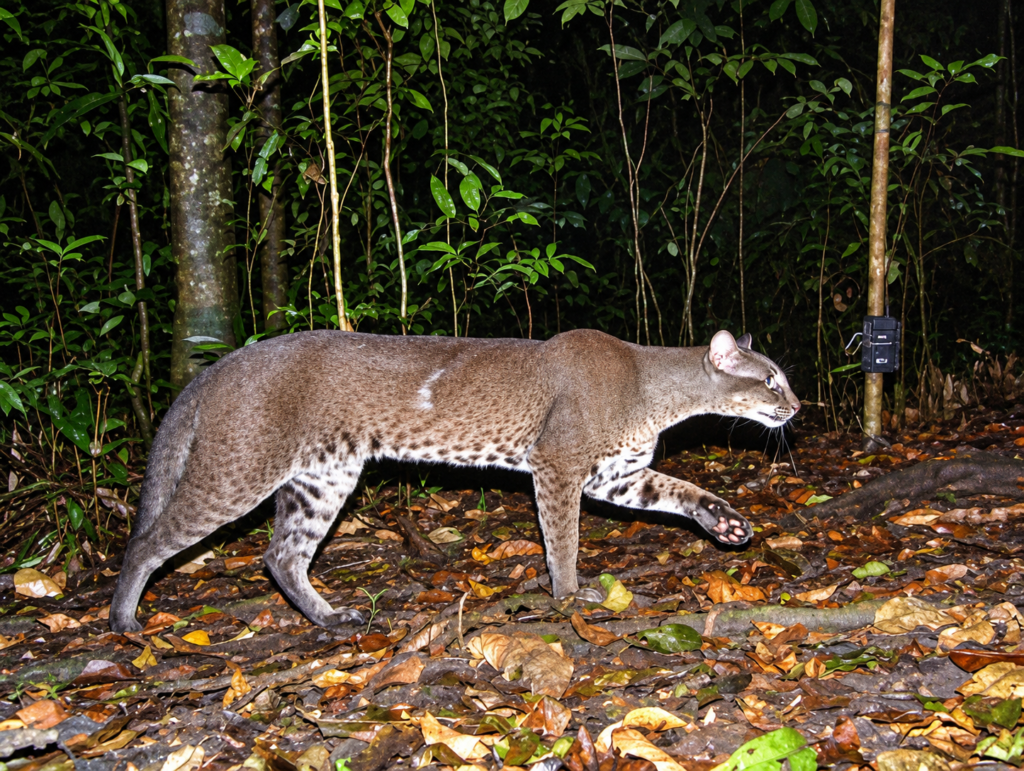
Discover the Elusive African Golden Cat in Kibale Forest
African Golden Cat Tracking in Kibale attracts wildlife enthusiasts, researchers and specialist photographers interested in one of Africa’s most mysterious forest mammals.
The African golden cat (Caracal aurata) is a secretive wild cat native to the tropical forests of Central and West Africa. Unlike Uganda’s famous lions and leopards, this rare forest predator is seldom seen by visitors.
Kibale National Park provides important forest habitat for the species, making the area particularly interesting to conservation researchers and wildlife enthusiasts.
At Little Monkey Camp, we have welcomed guests visiting Kibale specifically to search for and study the African golden cat.
Our location near Kibale National Park makes the camp a convenient accommodation base for visitors undertaking authorised wildlife observation, research and photography activities.
Enquire About Golden Cat Accommodation
Why Kibale Forest Is Important for African Golden Cats
The African golden cat is a forest-dependent carnivore that is difficult to observe in the wild.
It plays a role in the forest ecosystem as a predator of smaller animals, including rodents and other vertebrates.
Because the species is elusive, researchers often rely on camera traps and other non-invasive monitoring techniques to study its presence and behaviour.
Kibale’s tropical forest environment provides habitat for a remarkable diversity of mammals, birds and other wildlife.
For travellers interested in rare African forest mammals, Kibale offers a fascinating alternative to traditional savannah wildlife destinations.
Little Monkey Camp: Accommodation for Golden Cat Researchers and Wildlife Enthusiasts
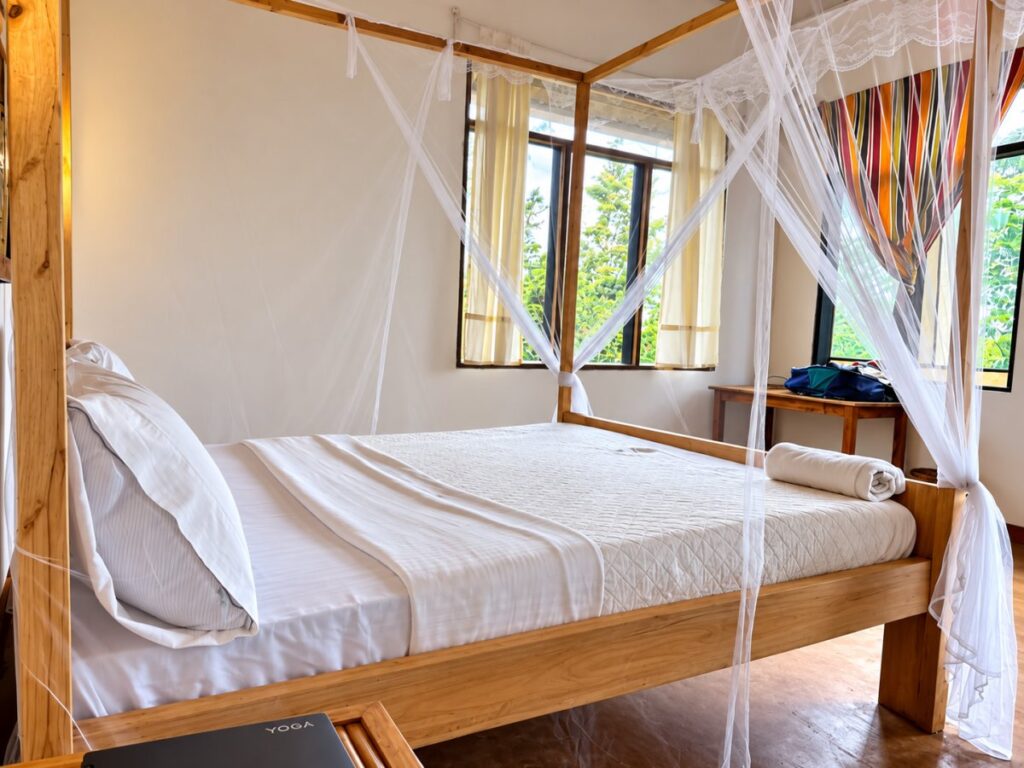
Little Monkey Camp is located approximately 5–7 minutes by vehicle from Kanyanchu Visitor Centre, near Kibale National Park.
We welcome wildlife researchers, conservationists, photographers and independent nature enthusiasts who need a comfortable and affordable place to stay while exploring the Kibale area.
Why Choose Little Monkey Camp?
- Convenient forest access: Stay close to Kanyanchu Visitor Centre and Kibale National Park.
- Experience hosting specialist visitors: We have welcomed guests interested in African golden cat observation.
- Affordable accommodation: Private rooms, family accommodation and camping options.
- Suitable for longer stays: A practical base for visitors undertaking multi-day wildlife projects.
- Vegetarian hospitality: Vegetarian meals and vegan options available on request.
- Local assistance: Our team can help guests with accommodation enquiries and practical travel arrangements.
Wildlife research, camera trapping and access to protected forest areas may require permission from the relevant Ugandan authorities. Little Monkey Camp does not independently authorize these activities.
Explore our Little Monkey Camp accommodation options.
Combine Kibale Wildlife Research Interests with Primate Experiences
Kibale Forest attracts wildlife enthusiasts interested in rare forest mammals, primates and birdlife. Visitors staying at Little Monkey Camp while exploring authorised African golden cat research opportunities can also learn about chimpanzee habituation in Kibale Forest. This extended primate experience offers an opportunity to observe chimpanzees in their natural habitat under Uganda Wildlife Authority regulations. Little Monkey Camp provides convenient accommodation near Kanyanchu Visitor Centre for guests planning these forest experiences.
Birdwatching and Other Wildlife Experiences in Kibale
Kibale Forest is home to remarkable wildlife beyond its elusive African golden cats. Visitors interested in forest biodiversity can also explore birding in Kibale Forest, including guided opportunities to search for the Green-breasted Pitta and other forest birds. Little Monkey Camp provides a convenient accommodation base near Kanyanchu Visitor Centre for wildlife enthusiasts, birdwatchers and authorised researchers.
Stay Near Kibale National Park for Your Golden Cat Project
Whether you’re visiting Kibale for wildlife photography, conservation research or an interest in rare forest mammals, choosing accommodation near the park can make your visit more convenient.
Little Monkey Camp offers a welcoming forest-edge setting for visitors who want to spend several days exploring the Kibale area.
You can also combine your visit with other nature experiences:
- Birding in Kibale Forest
- Accommodation Near Kanyanchu Visitor Centre
- Kibale on a Budget
- Uganda Safari Itineraries
Enquire About Accommodation for African Golden Cat Tracking in Kibale
Planning a specialist wildlife visit to Kibale Forest?
Contact Little Monkey Camp with your expected arrival date, length of stay, number of visitors and accommodation preferences.
If your visit involves research or camera trapping, please let us know whether you already have the necessary authorizations.
Check Accommodation Availability on WhatsApp
Book Your Stay at Little Monkey Camp
Email: info@africanrivercamps.com
Explore More Kibale Forest Experiences
Guests staying near Kanyanchu Visitor Centre can enjoy more than chimpanzee trekking. Discover birding in Kibale Forest, including opportunities to search for the elusive Green-breasted Pitta with experienced guides. Visitors planning their travel expenses can also read our Kibale on a Budget guide for practical tips on affordable accommodation, camping and safari planning. Little Monkey Camp provides a convenient base for exploring these experiences.
African Golden Cat Behaviour, Habitat and Wildlife Research in Kibale Forest
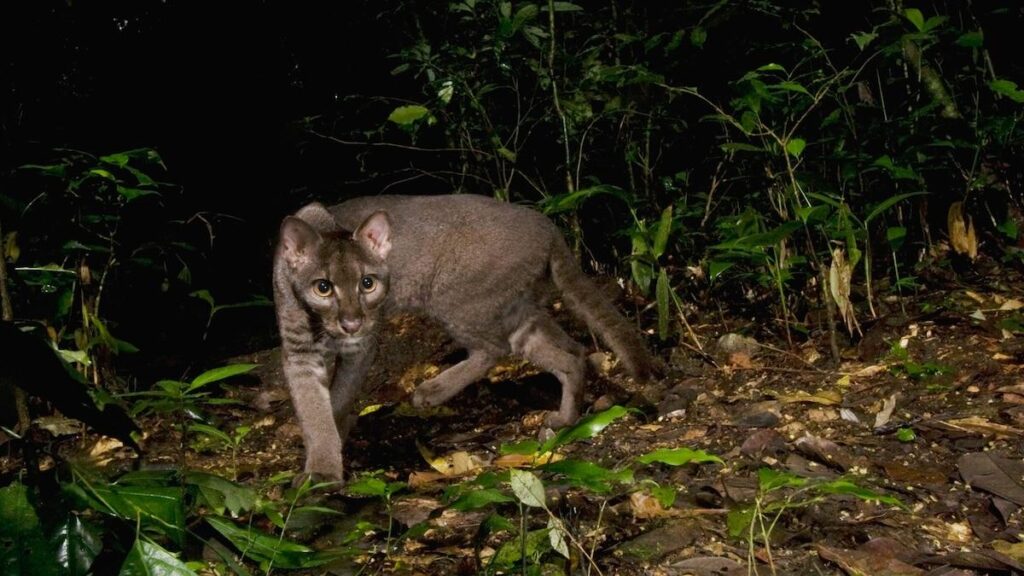
Understanding the African Golden Cat in Uganda
The African golden cat (Caracal aurata) is one of Africa’s least frequently observed wild cats. Native to the tropical forests of Central and West Africa, this secretive predator is particularly interesting to wildlife researchers, conservationists and specialist mammal watchers.
Unlike lions and leopards, African golden cats live primarily in dense forest habitats, where their elusive behaviour makes direct observation extremely difficult.
Kibale National Park in western Uganda is an important location for studying tropical forest wildlife, including rare and difficult-to-detect mammals.
For visitors interested in African golden cat tracking in Kibale, understanding the animal’s behaviour and habitat is an important part of planning a responsible wildlife experience.
Where Do African Golden Cats Live in Kibale Forest?
African golden cats are associated with tropical forest environments, including mature forest, secondary forest and areas with dense vegetation.
Kibale National Park contains extensive forest habitats supporting a diversity of mammals, birds and other wildlife.
The African golden cat is not restricted to one easily accessible tourist viewing location. Its movements depend on habitat conditions, prey availability and other ecological factors.
Visitors should not expect to find African golden cats along ordinary tourist trails or at a predictable observation point.
Wildlife research and specialist observation activities must follow the park’s access regulations.
Are African Golden Cats Nocturnal?
African golden cats can be active during both daylight and nighttime hours. Research using camera traps has documented variation in their activity patterns.
Their behaviour can differ depending on habitat, human disturbance and local environmental conditions.
Because the species is secretive and difficult to observe, researchers frequently rely on camera traps rather than direct sightings.
Visitors should not assume that entering the forest at night will improve their chances of seeing an African golden cat. Nighttime access to protected areas requires specific authorisation.
What Do African Golden Cats Eat?
African golden cats are carnivorous predators that feed on a variety of smaller animals.
Their diet may include rodents, small mammals and birds, depending on local prey availability.
As forest predators, they contribute to the ecological relationships that help maintain healthy tropical forest ecosystems.
Studying their behaviour can provide valuable information about forest biodiversity and wildlife conservation.
Why Camera Traps Are Important for African Golden Cat Research
Camera trapping is one of the most useful methods for studying elusive forest mammals.
Motion-activated cameras can document animals moving through forest habitats without requiring researchers to observe them directly.
Camera-trap studies can help scientists investigate:
- Species presence and distribution
- Activity patterns
- Habitat use
- Interactions with other wildlife
- Responses to human disturbance
- Long-term conservation trends
African golden cats are particularly well suited to non-invasive monitoring because direct encounters are uncommon.
Important: Installing camera traps or conducting research inside Kibale National Park requires the relevant permissions. Visitors must not place equipment in protected forest areas without authorization.
Can Tourists Track African Golden Cats in Kibale National Park?
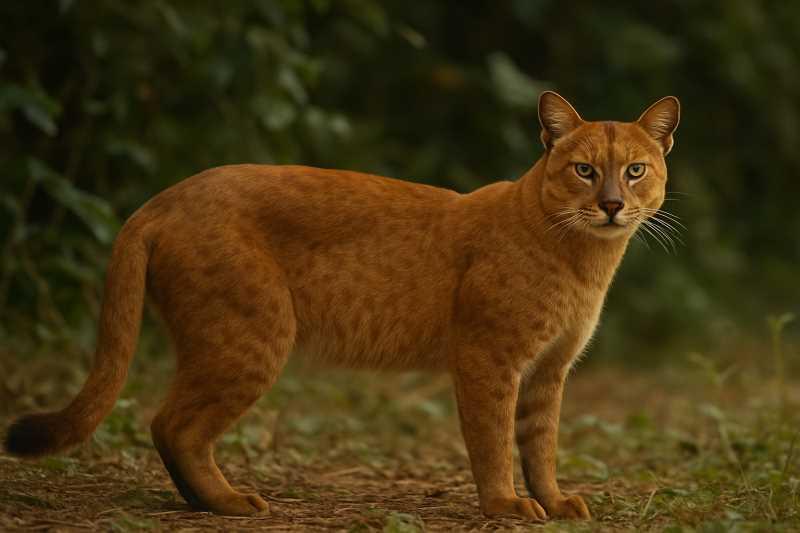
African golden cat observation is very different from established tourism activities such as chimpanzee trekking.
There is no guarantee of finding or seeing an African golden cat during a visit to Kibale Forest.
Specialist searches may involve wildlife research methods, permitted monitoring activities or collaboration with authorised conservation professionals.
Little Monkey Camp does not advertise guaranteed African golden cat sightings or an independently operated golden cat tracking programme.
Instead, we provide convenient accommodation for visitors who are already planning authorised wildlife research, photography or specialist observation activities in the Kibale area.
Why Little Monkey Camp Is Convenient for Golden Cat Researchers
Little Monkey Camp is located approximately 5–7 minutes by vehicle from Kanyanchu Visitor Centre, near Kibale National Park.
We have welcomed guests visiting Kibale specifically because of their interest in African golden cats.
Our location makes Little Monkey Camp a practical accommodation base for researchers, photographers and wildlife enthusiasts planning extended stays in the area.
Guests can enjoy:
- Affordable private rooms and family accommodation
- Ground tent and rooftop tent camping
- Vegetarian meals, with vegan options available on request
- A peaceful forest-edge setting
- Convenient access to Kanyanchu Visitor Centre
- Accommodation suitable for independent visitors and specialist groups
Guests conducting research should arrange all required authorisations independently or through the appropriate approved institutions.
Explore Little Monkey Camp accommodation near Kibale National Park.
Combine Golden Cat Research with Other Kibale Wildlife Experiences
Visitors interested in rare forest mammals may also enjoy exploring Kibale’s exceptional birdlife and primate diversity.
Other experiences include:
- Birding in Kibale Forest and Green-breasted Pitta Watching
- Kibale Chimpanzee Trekking Permits and Accommodation
- Accommodation Near Kanyanchu Visitor Centre
- Kibale on a Budget
These activities can complement a specialist wildlife visit, subject to separate bookings and park regulations.
Book Accommodation for Your African Golden Cat Research Visit
Are you a wildlife researcher, conservation photographer or rare mammal enthusiast planning a visit to Kibale Forest?
Little Monkey Camp welcomes visitors interested in African golden cat research and responsible wildlife observation.
Contact us with your expected arrival date, number of guests, length of stay and accommodation requirements.
Enquire About Golden Cat Research Accommodation on WhatsApp
Book Your Stay at Little Monkey Camp
Email: info@africanrivercamps.com
Frequently Asked Questions About African Golden Cat Tracking in Kibale Forest
Can You See African Golden Cats in Kibale National Park?
African golden cats (Caracal aurata) occur in Kibale National Park, Uganda. However, they are extremely elusive forest predators, and direct sightings are rare.
Visitors should not expect guaranteed sightings. Specialist observation and research often rely on camera traps and other non-invasive monitoring techniques.
Is African Golden Cat Tracking Available in Kibale Forest?
African golden cat tracking is not an established tourist activity comparable to chimpanzee trekking.
Researchers and specialist wildlife enthusiasts may undertake authorised observation or monitoring projects, subject to the relevant permissions.
Little Monkey Camp provides accommodation for visitors interested in African golden cats but does not operate a guaranteed golden cat tracking tour.
Where Is the Best Place to Stay for African Golden Cat Research in Kibale?
Little Monkey Camp is a convenient accommodation option for researchers, conservation photographers and wildlife enthusiasts visiting Kibale National Park.
Located approximately 5–7 minutes by vehicle from Kanyanchu Visitor Centre, the camp offers affordable accommodation close to the forest.
Explore Little Monkey Camp Accommodation
Have Guests at Little Monkey Camp Visited Kibale to Search for African Golden Cats?
Yes. Little Monkey Camp has welcomed guests visiting Kibale specifically to search for African golden cats.
We understand that specialist wildlife visitors may need accommodation for several days while undertaking their planned activities.
Our team can assist with accommodation enquiries and practical arrangements for their stay.
Are African Golden Cats Nocturnal or Diurnal?
African golden cats can be active during both daytime and nighttime hours.
Camera-trap research has documented varying activity patterns, which may depend on local habitat and environmental conditions.
Their secretive behaviour makes them difficult to observe at any time of day.
Can I Photograph an African Golden Cat in Kibale Forest?
Photographing a wild African golden cat is possible but exceptionally challenging because sightings are uncommon.
Wildlife photographers should not expect reliable close encounters or predictable photography locations.
Any specialist photography activities inside the national park must comply with Uganda Wildlife Authority regulations.
Can I Install Camera Traps in Kibale National Park?
Camera traps are important tools for researching African golden cats and other elusive forest mammals.
However, visitors cannot freely install monitoring equipment inside a protected national park.
Research, camera trapping and equipment placement require the appropriate authorisations from the responsible Ugandan authorities.
Do I Need a Research Permit to Study African Golden Cats in Uganda?
Formal wildlife research may require authorisation from the Uganda National Council for Science and Technology and the relevant wildlife management authorities, depending on the nature of the project.
Researchers should confirm the current application procedures and permit requirements before travelling.
Visit the Uganda Wildlife Authority for official park information.
What Is the Best Time of Year to Search for African Golden Cats in Kibale?
There is no reliably established tourist season that guarantees African golden cat sightings in Kibale.
Their movements and detectability vary according to habitat, prey availability and other ecological factors.
Researchers should plan according to their study objectives, field conditions and the advice of authorised local research partners.
What Other Rare Mammals Live in Kibale Forest?
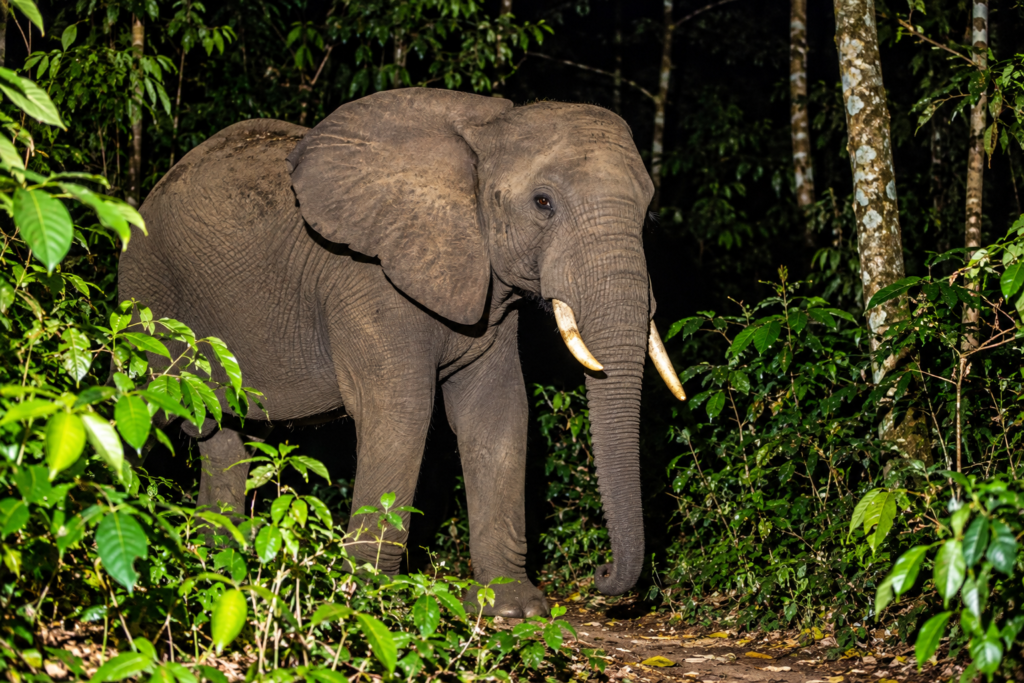
Kibale supports a diverse community of forest mammals, including chimpanzees, other primates, forest elephants and several smaller carnivores.
The park is especially well known for its primate diversity, but its wider mammal community also attracts wildlife researchers and conservation enthusiasts.
Can I Combine Golden Cat Research with Chimpanzee Trekking?
Yes. Visitors undertaking authorised wildlife research may also arrange separate tourism activities such as chimpanzee trekking, provided their schedules and permissions allow.
Little Monkey Camp can assist with enquiries about chimpanzee trekking permits and accommodation.
Read our Kibale Chimpanzee Trekking Permits Guide.
Is Little Monkey Camp Suitable for Long-Term Wildlife Researchers?
Little Monkey Camp welcomes researchers and wildlife enthusiasts planning extended stays near Kibale National Park.
Accommodation options include private rooms, family accommodation and camping facilities.
Visitors planning longer stays can contact our team to discuss accommodation availability and practical requirements.
Does Little Monkey Camp Provide Vegetarian or Vegan Meals?
Yes. Little Monkey Camp operates a vegetarian kitchen and can prepare vegan meals on request.
Guests undertaking fieldwork can discuss their meal requirements and daily schedules with our team before arrival.
Can Wildlife Researchers Bring Their Own Equipment?
Guests may enquire about bringing cameras, binoculars, laptops and other personal research equipment to Little Monkey Camp.
However, bringing equipment into Uganda or using it within Kibale National Park may be subject to customs, research and protected-area regulations.
Visitors should confirm any necessary permissions in advance.
How Can I Book Accommodation for African Golden Cat Tracking in Kibale?
Contact Little Monkey Camp with your intended arrival date, number of guests, expected length of stay and accommodation preferences.
If your visit involves formal research or camera trapping, please indicate whether you have already arranged the necessary permissions.
Enquire About African Golden Cat Accommodation on WhatsApp
Book Your Stay at Little Monkey Camp
Email: info@africanrivercamps.com
Book Accommodation for African Golden Cat Tracking in Kibale Forest
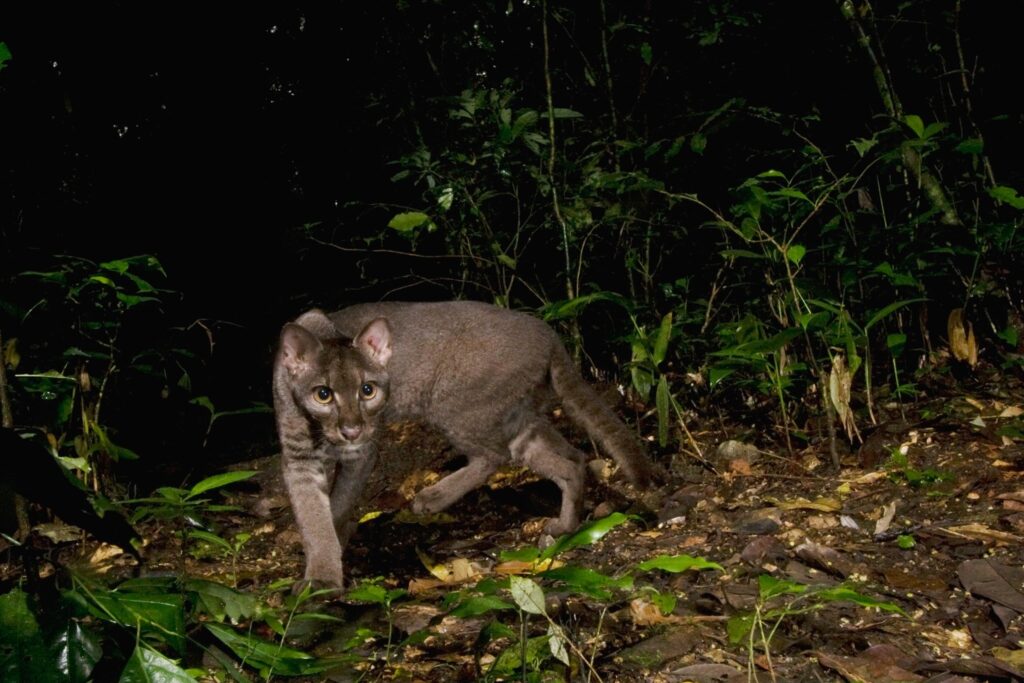
Are you planning a specialist wildlife expedition to Uganda to search for the elusive African golden cat?
Little Monkey Camp welcomes wildlife researchers, conservationists, photographers and rare mammal enthusiasts visiting Kibale National Park.
We have hosted guests who travelled to Kibale specifically because of their interest in African golden cats, and we understand the importance of having a convenient accommodation base during extended wildlife observation and research visits.
Located approximately 5–7 minutes by vehicle from Kanyanchu Visitor Centre, Little Monkey Camp provides affordable accommodation near Kibale Forest.
Why Stay at Little Monkey Camp for Your Wildlife Research?
Whether you’re conducting authorised camera-trap research, photographing forest wildlife or visiting Kibale as part of a specialist mammal-watching expedition, our camp offers several advantages:
- Convenient location: Approximately 5–7 minutes by vehicle from Kanyanchu Visitor Centre.
- Experience hosting specialist visitors: We have welcomed guests searching for African golden cats.
- Accommodation for extended stays: Suitable for visitors planning multi-day wildlife projects.
- Budget-friendly options: Private rooms, family accommodation, ground camping and rooftop tent camping.
- Vegetarian hospitality: Vegetarian meals and vegan options available on request.
- Independent travellers welcome: Suitable for researchers, photographers and wildlife enthusiasts travelling with their own vehicles or guides.
- Access to other wildlife experiences: Combine your stay with birdwatching, chimpanzee trekking and other activities around Kibale.
Accommodation for Wildlife Researchers and Conservation Projects

Little Monkey Camp welcomes enquiries from universities, wildlife conservation organisations, research teams and independent naturalists visiting the Kibale area.
If you’re planning a longer research visit, contact us with your expected arrival date, group size, length of stay and accommodation requirements.
We can discuss suitable accommodation arrangements based on availability.
All wildlife research, camera trapping and specialist access to protected areas must comply with the requirements of the relevant Ugandan authorities.
Explore More Wildlife Experiences Around Kibale
Kibale National Park offers much more than chimpanzee trekking. Visitors interested in rare forest mammals can also explore its remarkable birdlife, primate diversity and surrounding natural habitats.
Read our related guides:
- Birding in Kibale Forest – Green-breasted Pitta
- Kibale Chimpanzee Trekking Permits and Accommodation
- Little Monkey Camp Accommodation
- Accommodation Near Kanyanchu Visitor Centre
- Kibale on a Budget
- Uganda Safari Itineraries
Enquire About Your African Golden Cat Research Stay
Planning an African golden cat research project, specialist photography expedition or rare mammal observation visit to Kibale Forest?
Contact Little Monkey Camp directly with:
- Your expected arrival and departure dates.
- Number of researchers or travellers.
- Preferred accommodation type.
- Expected length of stay.
- Any practical accommodation requirements for your project.
Please indicate whether you already have the relevant permissions if your visit involves formal wildlife research or camera trapping.
Enquire About Golden Cat Accommodation on WhatsApp
Book Your Stay at Little Monkey Camp
WhatsApp: +256 776 862153
Email: info@africanrivercamps.com
Your Base for Rare Wildlife Exploration in Kibale Forest
From Green-breasted Pitta birdwatching to African golden cat research, Little Monkey Camp offers a convenient starting point for visitors exploring the extraordinary biodiversity of Kibale National Park.
Stay close to the forest. Explore responsibly. Discover the remarkable wildlife of Kibale with Little Monkey Camp as your accommodation base.