Kibale Chimpanzee Habituation Experience
Kibale chimpanzee habituation offers travellers a longer and more immersive way to experience chimpanzees in Uganda. Instead of a standard tracking visit, participants spend extended time observing chimpanzees that are becoming accustomed to human presence.
Kibale National Park is one of Uganda’s key destinations for this experience. Travellers can combine the activity with accommodation at Little Monkey Camp, birding, coffee experiences and other activities around Kibale Forest.
Before arranging your trip, also read our Chimpanzee Permits in Uganda guide.
What Is Kibale Chimpanzee Habituation?
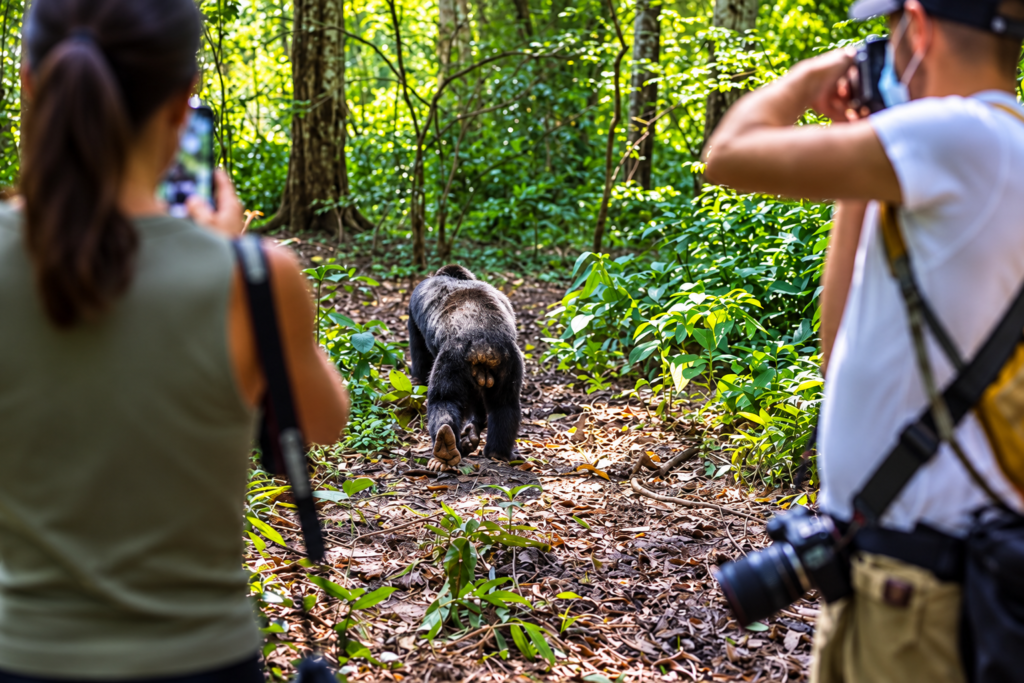
Chimpanzee habituation is the gradual process of helping wild chimpanzees become accustomed to the presence of people while researchers, trackers and conservation teams observe them.
Visitors joining the experience accompany trained field teams into the forest and may spend considerably more time around the chimpanzees than during standard chimpanzee tracking.
The experience can provide opportunities to observe feeding, movement, social behaviour and other natural activities.
Kibale Chimpanzee Habituation vs Chimpanzee Tracking
Standard chimpanzee tracking and habituation offer different experiences.
During standard tracking, visitors search for a habituated chimpanzee community and normally spend up to one hour with the chimpanzees after locating them.
The habituation experience allows up to four hours with the chimpanzees after locating them, subject to the applicable rules and conditions.
Travellers looking for the standard experience can read our Chimpanzee Tracking in Kibale National Park guide.
Kibale Chimpanzee Habituation Permits
Visitors need the appropriate permit to participate in the habituation experience.
Permit availability can be limited, so check your intended dates before finalizing the rest of your Kibale itinerary.
Our Chimpanzee Permits in Uganda page explains more about permit planning for Kibale.
How Long Does the Chimpanzee Habituation Experience Take?
Plan for a substantial part of your day.
The forest experience involves walking with trackers while searching for chimpanzees and observing them once located. Walking times and wildlife encounters vary because chimpanzees move naturally through the forest.
Avoid planning another time-sensitive activity immediately afterwards.
What Can You Expect in the Forest?

Every chimpanzee encounter differs.
Visitors may observe chimpanzees feeding, resting, climbing, travelling or interacting with other members of their community. Forest conditions, chimpanzee movements and visibility can change throughout the experience.
Following your guide’s instructions helps keep the encounter safe and respectful.
Best Time for Kibale Chimpanzee Habituation
Kibale can be visited throughout the year, although rainfall, trail conditions and visitor numbers vary by season.
Your best travel period may also depend on the other Uganda destinations you plan to visit.
For more seasonal planning information, see our Best Time for Chimpanzee Tracking guide.
What to Bring for Chimpanzee Habituation
Wear comfortable walking shoes with good grip and long trousers suitable for forest trails.
Bring drinking water, rain protection and a small daypack. Lightweight outdoor clothing can help with changing forest conditions.
Follow any additional guidance provided for your activity.
Where to Stay for Kibale Chimpanzee Habituation

Choosing accommodation near Kibale makes early activity preparation easier.
Little Monkey Camp offers single, double or twin and family accommodation, as well as camping for ground tents, rooftop tents and overland travellers.
See our Kibale Chimpanzee Accommodation guide for detailed accommodation information.
Vegetarian Meals During Your Kibale Stay
Little Monkey Camp is a vegetarian camp.
Guests can arrange breakfast, lunch and dinner while staying near Kibale. We source ingredients from surrounding communities whenever available.
Read our Vegetarian Accommodation in Kibale guide for more information about the camp’s meat-free dining experience.
Combine Chimpanzee Habituation with Birding
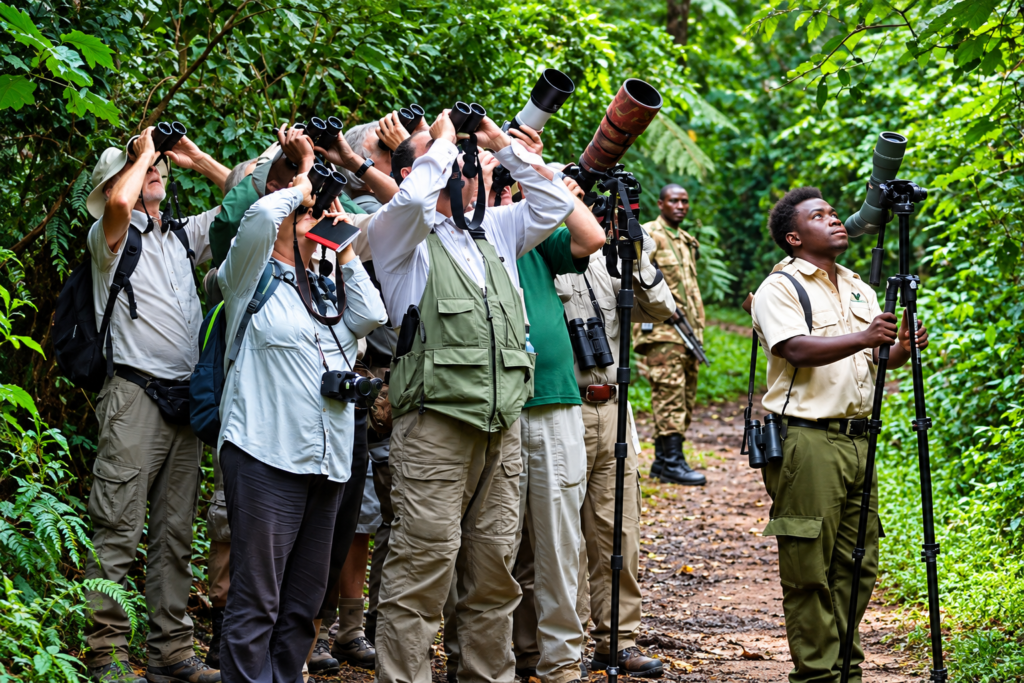
A longer Kibale stay gives visitors time to explore more than primates.
Birdwatchers can add guided birding and nature experiences before or after their chimpanzee activity.
Explore our Birding in Kibale guide when planning your itinerary.
Add a Coffee Experience at Little Monkey Camp
Guests staying at Little Monkey Camp can spend time around the camp’s coffee plantation.
A coffee experience works particularly well on a more relaxed day between forest activities.
Read our Coffee Experience in Kibale guide for details.
Explore Kibale After Dark
Visitors staying several nights can also consider a guided night experience.
The forest atmosphere changes after sunset, creating opportunities to learn about nocturnal wildlife and experience Kibale from another perspective.
See our Night Walks in Kibale guide.
How Many Nights Should You Stay in Kibale?
Consider at least two or three nights if chimpanzee habituation forms an important part of your trip.
Extra nights provide flexibility for birding, coffee experiences, night walks and relaxation around the camp.
Our Things to Do in Kibale guide can help you plan additional activities.
Why Stay at Little Monkey Camp?
Little Monkey Camp provides a convenient base for exploring the Kibale area.
Guests can choose rooms or camping, enjoy vegetarian meals and experience the camp’s coffee plantation while planning forest activities around their stay.
Travellers comparing accommodation can also explore our Places to Stay Near Kibale guide.
Frequently Asked Questions About Kibale Chimpanzee Habituation
What is chimpanzee habituation?
Chimpanzee habituation gradually familiarizes wild chimpanzees with the controlled presence of people for research, conservation and visitor experiences.
How is habituation different from chimpanzee tracking?
Standard tracking normally allows up to one hour with chimpanzees after locating them. The habituation experience can allow up to four hours with them.
Do I need a permit?
Yes. Visitors need the appropriate chimpanzee habituation permit.
Should I book in advance?
Booking early is advisable because availability can affect your preferred travel date.
Is seeing chimpanzees guaranteed?
Chimpanzees are wild animals, so sightings and the nature of each encounter can vary.
What should I wear?
Wear sturdy walking shoes, long trousers and comfortable outdoor clothing. Carry rain protection because forest weather can change.
Where can I stay near Kibale?
Little Monkey Camp offers rooms, family accommodation and camping near Kibale Forest.
Can I camp during my Kibale visit?
Yes. Little Monkey Camp welcomes ground tents, rooftop tents and overland travellers. See our Camping in Uganda guide.
Can I combine habituation with birding?
Yes. Staying additional nights gives you time to add birding and other nature experiences.
Is vegetarian food available?
Yes. Little Monkey Camp serves vegetarian meals to staying guests.
What else can I do in Kibale?
You can consider birding, coffee experiences, night walks and other local activities. Explore our Things to Do in Kibale guide.
Book Your Kibale Chimpanzee Habituation Stay
Plan your Kibale chimpanzee habituation trip with accommodation at Little Monkey Camp.
Send us your travel dates, number of guests and preferred accommodation. Include your interest in chimpanzee habituation so we can help you plan your stay around the experience.